The Avro Anson has its roots in commercial aviation of the 1930’s. Its military life began as a coastal reconnaissance aircraft but also developed a role as a training aircraft.
The Avro Anson was slow, cold and noisy and is the most famous British aircrew trainer of all time. Used in huge numbers, ‘Faithful Annie’ is remembered with affection by most of Royal Air Force-trained multi-engined aircrew of World War Two.
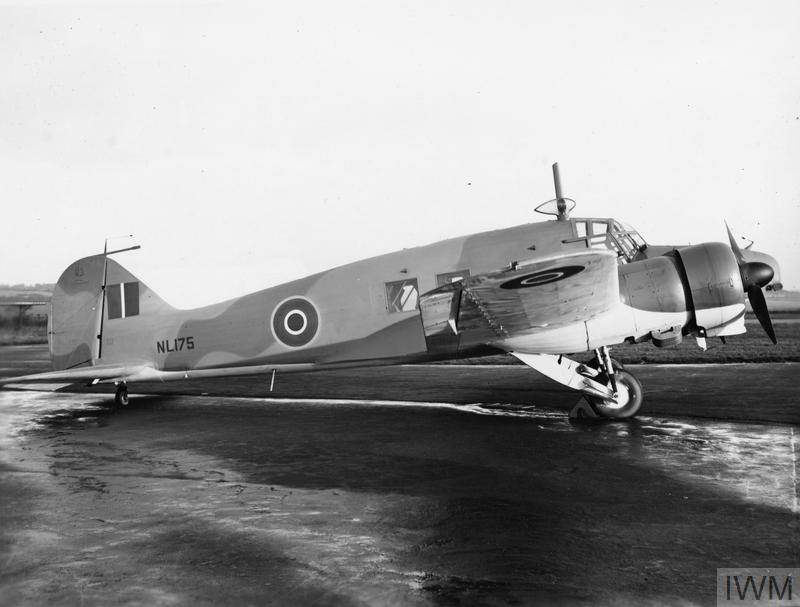
General characteristics
Crew: 3–4
Length: 42 ft 3 in (12.88 m)
Wingspan: 56 ft 6 in (17.22 m)
Height: 13 ft 1 in (3.99 m)
Wing area: 463 sq ft (43.0 m2)
Empty weight: 5,375 lb (2,438 kg)
Max take-off weight: 8,000 lb (3,629 kg)
Powerplant: 2 × Armstrong Siddeley Cheetah IX 7-cylinder air-cooled radial piston engines, 335 hp (250 kW) each
Propellers: 2-bladed fixed-pitch propellers
Performance
Maximum speed: 188 mph (303 km/h, 163 kn) at 7,000 ft (2,100 m)
Cruise speed: 158 mph (254 km/h, 137 kn)
Range: 660 mi (1,060 km, 570 nmi)
Service ceiling: 19,000 ft (5,800 m)
Rate of climb: 960 ft/min (4.9 m/s)
Armament
Guns:
1 × .303 in (7.7 mm) machine gun in front fuselage
1 × .303 in (7.7 mm) Vickers K machine gun in dorsal turret
Bombs:
360 lb (160 kg) of bombs
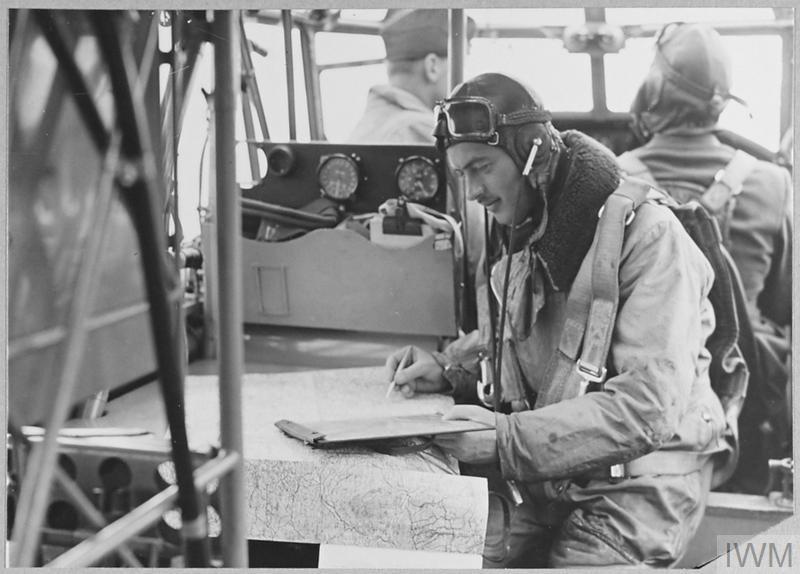
Anson’s were a frequent visitor to RAF Bradwell Bay, but it was not until the Normandy Invasions when they were based at Bradwell as part of 278 Squadron who were providing air sea rescue services from Bradwell.